


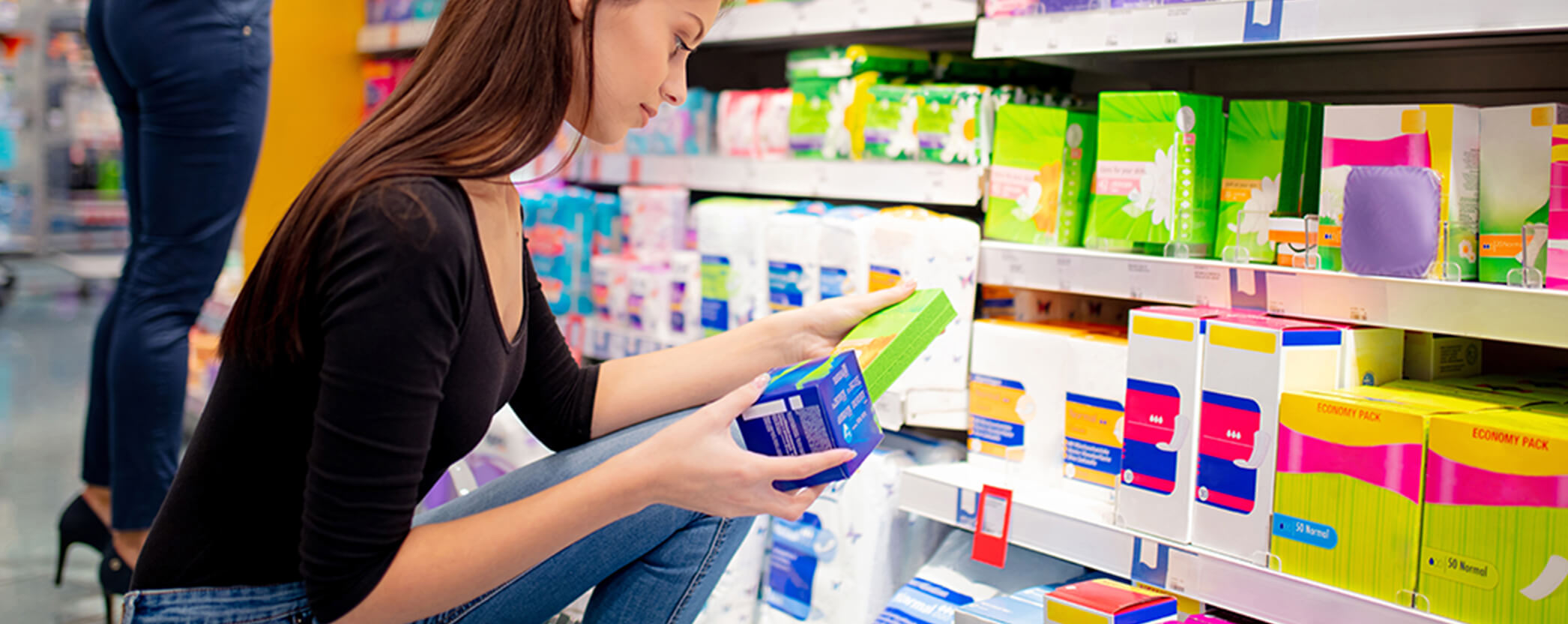
Every day, an estimated 300 million people around the world depend on menstrual products, yet no ISO standard exists to assure those products are safe, consistent, or effective. This International Women’s Day, March 8, is an opportunity to showcase how standardization—specifically the efforts of ISO Technical Committee (TC) 338, Menstrual Products—is a powerful tool for advancing human health and dignity.
International Women’s Day is a call to advance well-being for all. Few efforts reflect that message more concretely than the development of international standards for menstrual products.
ISO TC 338: Building a Global Framework for Menstrual Product Safety
Standards safeguard an enormous range of products that people rely on daily, from medical devices to hygiene products. Yet the same rigor applied to other personal-use products has not been extended to menstrual products—with real consequences for safety, access, and consumer protection. Menstrual health encompasses physical, mental, and social well-being. The standards that ISO TC 338 is developing are designed to strengthen the safety and reliability of products that affect all three.
The committee’s work in aims to establish a shared global definition of quality for menstrual product safety and performance. Beyond quality, the work is also designed to foster a positive global conversation about menstruation and improve access to information and products.
The scope of TC 338 covers all manufactured menstrual products, including those intended for single or multiple uses. The committee’s objectives include:
Efforts are well underway. Recent progress includes two committee drafts: one on general and safety requirements and one on vocabulary.
U.S. Stakeholders: How to Get Involved
Participation in this work offers a meaningful opportunity to impact the development of these critical standards. ANSI administers the U.S. Technical Advisory Group (TAG) to ISO TC 338, coordinating U.S. input to the international committee. Interested stakeholders are encouraged to join the U.S. TAG. Contact Kemi Allston ([email protected]) for more information.
Related News:
Standards for Health: International Committee Guides Global Standards for Menstrual Products