


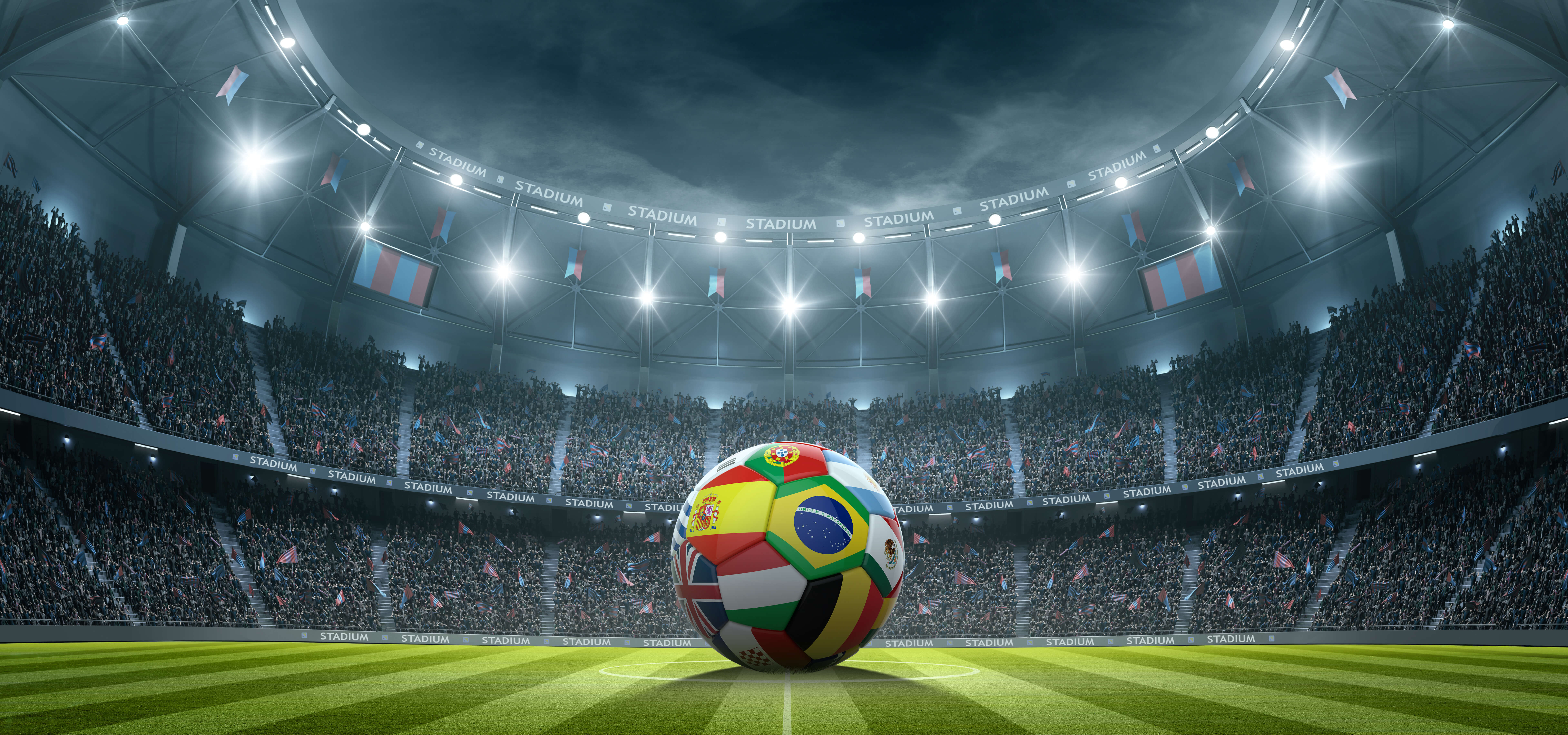
This year, every World Cup match will be played on real grass—even in stadiums that normally roll out artificial turf. FIFA is requiring natural grass at all 16 venues; eight had to switch from turf to grass. The fix was ingenious: custom hybrid fields that are about 95% natural grass with roughly 5% synthetic reinforcement, grown on farms and rolled in like a living carpet. Why switch to real grass? It’s more forgiving underfoot, it lets the ball move more naturally, and players can count on its consistency across fields.
So how do you prove a surface is actually safe, and that a stadium in Dallas plays like one in Vancouver? You test it. ASTM International, an ANSI Audited Designator and ANSI accredited standards developer, writes test methods that measure how a playing surface absorbs impact—applicable to both natural and artificial fields. It’s the science behind decisions about what athletes can safely play on.
Player safety doesn’t stop at the grass, either. The shin guards worn by the millions of amateur and youth players inspired to lace up this summer meet a performance standard from NOCSAE—the National Operating Committee on Standards for Athletic Equipment, an ANSI-accredited standards developer.
From the turf to the gear, ANSI-accredited standards developers help turn “feels safe” into “tested and proven.”
Want to read more about standards that support the World Cup? Check out the other part 1 of this series: Greener Stadiums, Built on Standards and stay tuned for part 3!