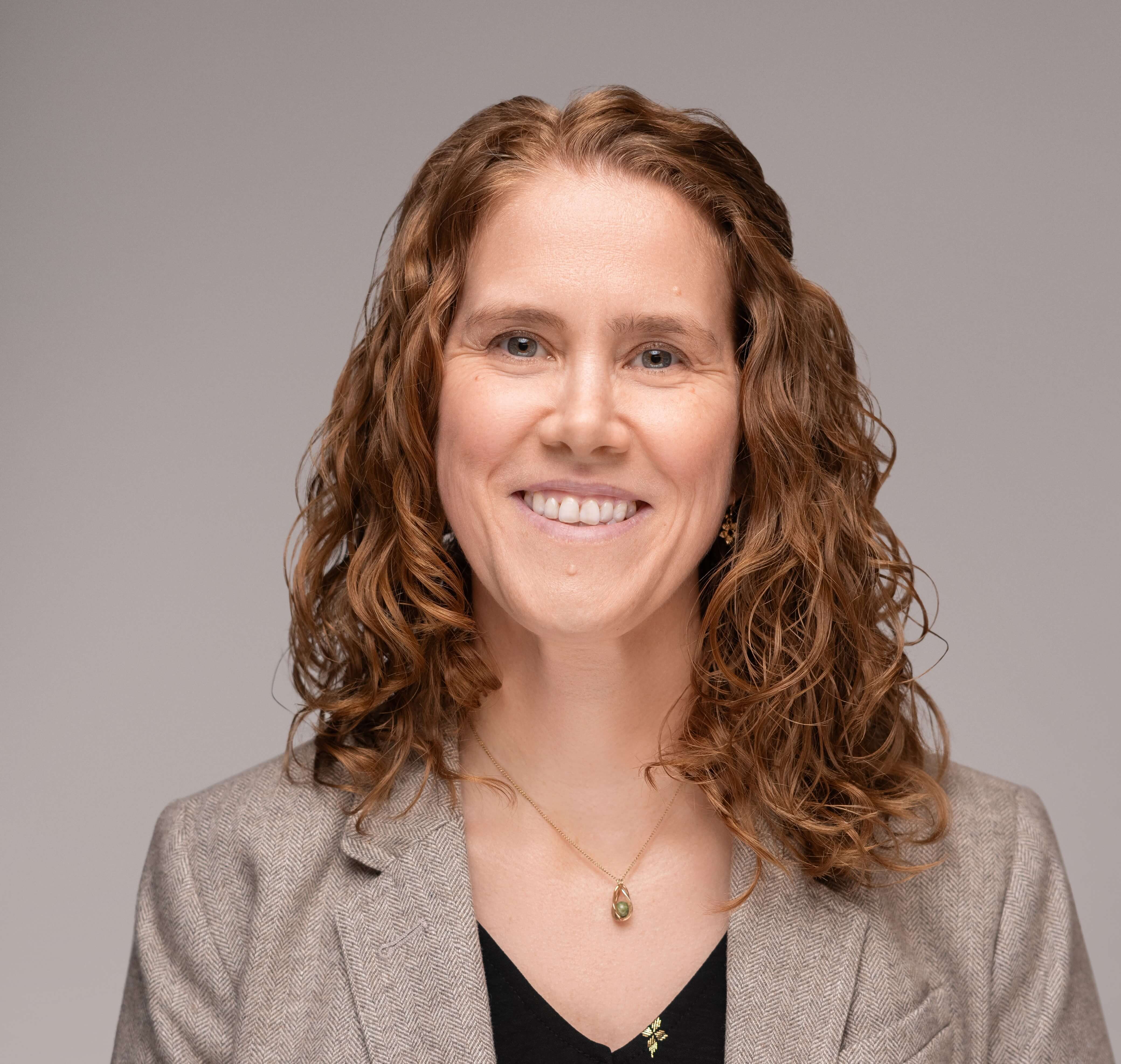
As part of an ongoing Q&A series with consumer advocates, ANSI spoke with Karin Athanas, executive director of the American Association of Family & Consumer Sciences (AAFCS), on the connection between consumer sciences and standards, and her dedication to bringing all voices to the standards table.
A longtime standards participant and consumer advocate, Athanas has held leadership roles across a range of organizations, including the International Consumer Product Health and Safety Organization (ICPHSO). She currently serves as a member of ANSI’s Consumer Interest Forum.
ANSI: When did you first get involved in standards, and why have you stayed involved?
Athanas: I first participated in standards development early in my career, when I worked for an accrediting body supporting laboratories in materials testing. Taking part in that process deepened my understanding of the testing standards, and as an auditor I saw firsthand how the wording of a requirement shapes its interpretation. Those insights helped me bring clarifying edits back to the standards development committee.
From the beginning, it was apparent to me just how important standards are. They are the building blocks on which everything in our society runs. Without standards, products and services would be inconsistent and you’d never know if you could rely on them.
Over my career, I’ve been recognized as a lead auditor to several quality assurance standards, and I’ve contributed to the development of forensic sciences standards. I’m probably on ten standards committees, informal and formal. It sounds like a lot, and it is, but each operates at a different frequency; when the work is heavy in one group, it’s usually lighter in another. Then you can balance the work and not get overwhelmed.
Why should consumers get involved in standards development?
As someone who has sat in countless standards meetings, I have seen firsthand the knowledge gap that arises when consumers aren’t there to offer their insights. I’ve been in meetings where we tried to predict how a standard would affect users, and we came up short. We can’t always fully envision how a product would work for someone shorter or taller, or people in different living situations, etc.
We need consumers on the committee to tell us how these things affect them! It’s a valuable opportunity to ensure that the needs and views of consumers are considered in the standards that will have an impact on their lives.
You have been a leader in recruiting all voices to join the standards development process. Tell us about the work you did with Women in Standards.
All of us need to have a seat at the standards development table. It’s part of the guidelines of standards development that a balance of viewpoints and interests ensures the standard is the best fit for everyone, not just certain people or groups.
Getting that balance can be hard, and standards development is a bit of a thankless job. But you’re there to be heard even if you don’t always get what you want. Just influencing the thought process is a win.
Women in Standards was a great group of people who got together to share their stories and the challenges they were facing, share advice on how to be successful in standards meetings, and find support to keep going, especially when you might be talked over, ignored, or disregarded.
I was a member of the social group for several years when one of the leaders asked me if I’d consider taking over. I jumped at the chance. This was such a great group of people—men and women—who just wanted to help each other succeed in standards, and I saw this as an opportunity to give back. Very quickly, we decided to incorporate into a nonprofit and develop committees to create guidance documents, resources, and community.
Women in Standards was founded to build an inclusive and welcoming standards community—not simply about increasing representation for its own sake, but bringing forward new voices, new generations, and new perspectives so that standards stay relevant, meaningful, and capable of serving society over the long term. And I continue to do that today by encouraging ICPHSO’s members and others to join a standards committee and to welcome consumers to their committees.
You’re active on a standards committee for privacy by design. Why do you think it’s important to have consumers involved in this area?
I participate in the U.S. technical advisory group (TAG) to the international standards committee for consumer protection in the field of privacy by design. It’s important that consumers have a seat at this table because we are developing the requirements for protecting people’s personal information on electronic devices and software, and consumers really need a say in what is and is not shared.
Think about all that information that your cell phone collects. Standards make clear to developers what can and cannot be collected, how it must be protected, and what they may do with it.
You do not need to be a computer expert; you just need to be willing to share your views and to help edit the language so that your views are incorporated.
How have you integrated standards into your work as Executive Director of AAFCS?
What’s struck me at the AAFCS is just how integrated our family and consumer sciences professionals are with the individuals, families, and communities they support. They have families of their own, they often live in the community they support, and they truly care about the people they are helping. Many are educators in either K-12 or post-secondary classrooms, and they are constantly seeking ways to integrate consumer safety and standards into their lesson plans.
When I first started at AAFCS, one of our members showed me how they teach students about following recipes, and how important it is that a recipe is well-written and clear. A cookie recipe, as an example, can lead to a lot of different results if you don’t specify the type of flour, butter, or sugar. It was an “aha” moment for me because I’ve been to that exact same presentation at a National Institute of Standards and Technology (NIST) conference. Our FCS professionals are teaching students the building blocks of standards development. It was really exciting for me.
Where I get to contribute to this already robust ecosystem is telling standards developers that these consumer experts exist and are available to help them, connecting my members to standards developing organizations (SDOs), and then serving as an educator and mentor as they begin their journey in standards development.
We’ve had several SDOs join us to give presentations on emerging issues and technologies, talk about standardization projects, and share their research. In turn, AAFCS has been able to help SDOs find consumers to sit on their standards development committees.
Long-term, I’d love to pursue education-to-employment pathways with the help of SDOs and others, where our FCS students become tomorrow’s product safety experts and standards development professionals.